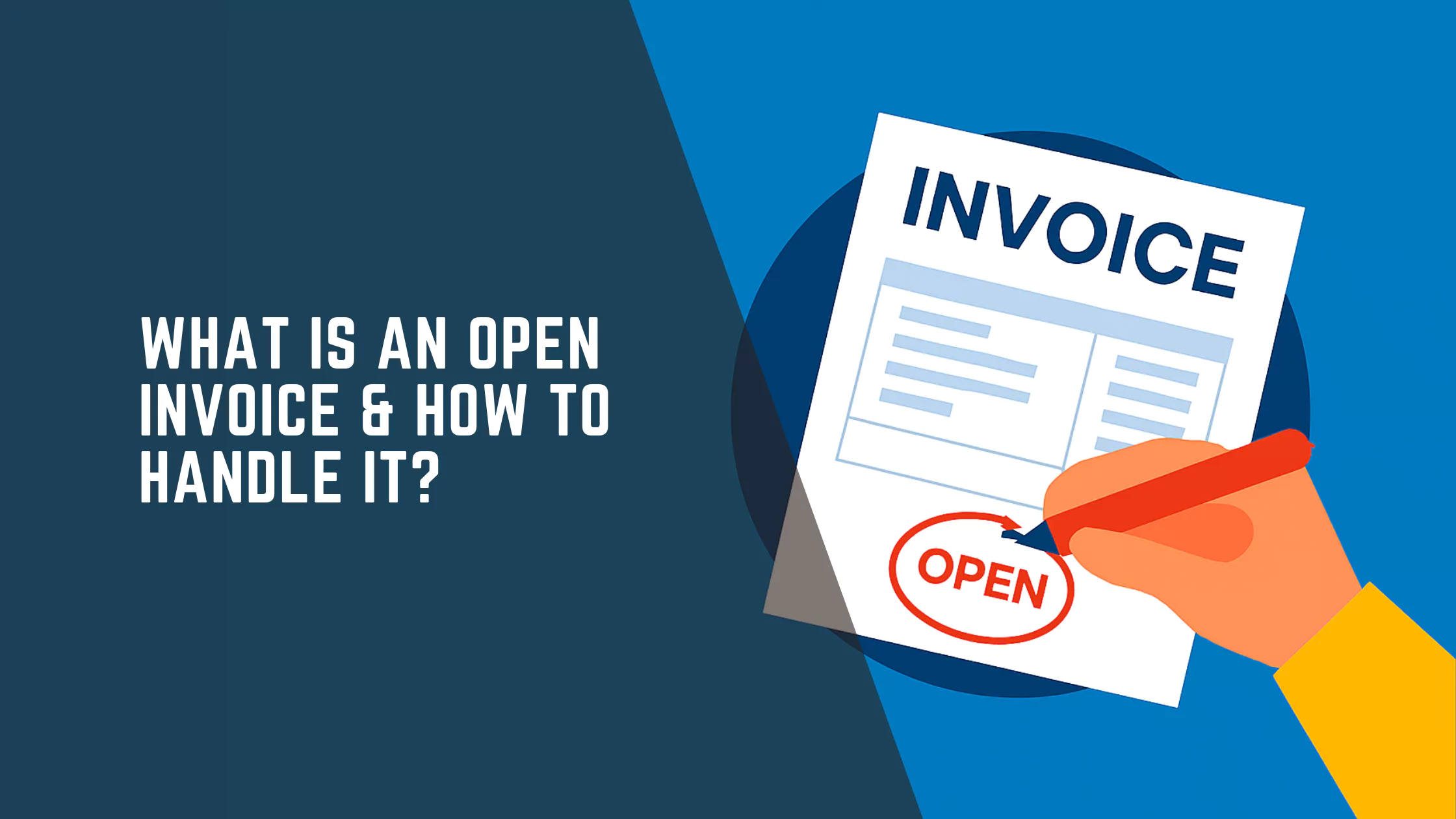
That moment when you wrap up a project, hit “send” on the invoice… and then crickets. Days pass. You check your dashboard, and there it is: an open invoice.
It’s basically the digital equivalent of a sticky note saying, “Hey, you did the work, but the money isn’t here yet.” Annoying, right?
For freelancers, contractors, and even small business owners, open invoices aren’t just a minor inconvenience. They can wreck your cash flow if you let them pile up. So let’s dig in, what open invoices actually mean, why they matter more than you think, and how to handle them without losing your mind.
What Is an Open Invoice?
Super simple: an open invoice is one that’s been sent but not yet paid. Some people call it an outstanding invoice.
It’s sitting in limbo. The client has the bill. You’re waiting for the payment. Until that cash lands in your account, it’s “open.” And here’s where people trip up:
- Open invoice: not paid yet, but the due date hasn’t passed.
- Overdue invoice: client blew past the payment deadline and still hasn’t paid.
Different bucket. Different headache.
There are also a few “flavors” of open invoices:
- Pending online payments (client hit “pay,” but it’s still processing).
- Offline/manual (waiting on a bank transfer or check).
- Partial payments (paid part, not all).
Why Open Invoices Matter (More Than You Think)
It’s tempting to shrug. “Eh, they’ll pay when they pay.” But ignoring open invoices? Dangerous game.
- Cash flow gets stuck. You did the work, but your money is sitting in someone else’s account.
- Forecasting goes out the window. Hard to budget when half your revenue is still “pending.”
- Professionalism takes a hit. Clients notice if you’re sloppy with invoices. And trust me, that matters.
Those little “open” tags aren’t harmless. They are red flags about how healthy (or shaky) your business finances really are.
Common Issues & Mistakes with Open Invoices
Why do open invoices pile up? Honestly, usually for dumb reasons:
- No due date (so the client takes their sweet time).
- You delayed sending the invoice. (Guilty? Same here.)
- Payment instructions are vague. (“Just send it over” doesn’t cut it.)
- You hate chasing clients, so you avoid reminders.
- Your “system” is a messy Excel sheet that hides half your invoices.
- You confuse “open” with “overdue” and forget late fees.
How the Open Invoice Lifecycle Works
Here’s the usual play-by-play:
- You deliver the work.
- You send the invoice.
- The client reviews it (sometimes right away, sometimes… never).
- Due date hits.
- If they pay, → invoice closes.
- If they don’t → invoice flips from open to overdue.
Most businesses run on payment cycles like Net 14, Net 30, or Net 60. Translation: they’ve got 14, 30, or 60 days to pay. The longer the cycle, the longer your invoice sits open.
How to Handle Open Invoices Without Losing Your Weekend
You can’t avoid open invoices. They’re part of business. But you can make them less of a nightmare.
- Set clear payment terms. “Net 30” is not code for “pay whenever.”
- Include all the details. Amount, due date, and exact payment instructions. No guesswork.
- Use software. Track open, pending, and overdue invoices without spreadsheets eating your soul.
- Automate reminders. Let the system nag so you don’t have to.
- Check reports. A quick scan weekly beats a surprise at tax season.
- Stay human. If it drags on, a polite call or personal note works better than passive-aggressive emails.
Tools & Methods That Make Life Easier
Sure, you can fight with spreadsheets and sticky notes. But honestly, why?
That’s where a free online invoice generator comes in.
- Totally free to use.
- Create invoices in minutes.
- Track open, overdue, and paid invoices in one clean dashboard.
- Automate reminders so clients get nudged without you lifting a finger.
It’s built for freelancers and small businesses, no bloated accounting jargon, no steep learning curve. Just simple invoicing that works.
Conclusion
Open invoices are normal. They’re not scary. But unmanaged, they will pile up and choke your cash flow.
The trick is to treat them like a priority, not an afterthought. Clear terms, timely reminders, and the right tool can turn “open” into “paid” way faster.
Frequently Asked Questions
- Open: sent but not yet paid, still within due date.
- Overdue: payment deadline missed.